Email: blogagri2@gmail.com
Best Soil for a Vegetable Garden: Types, Amendments and Tests

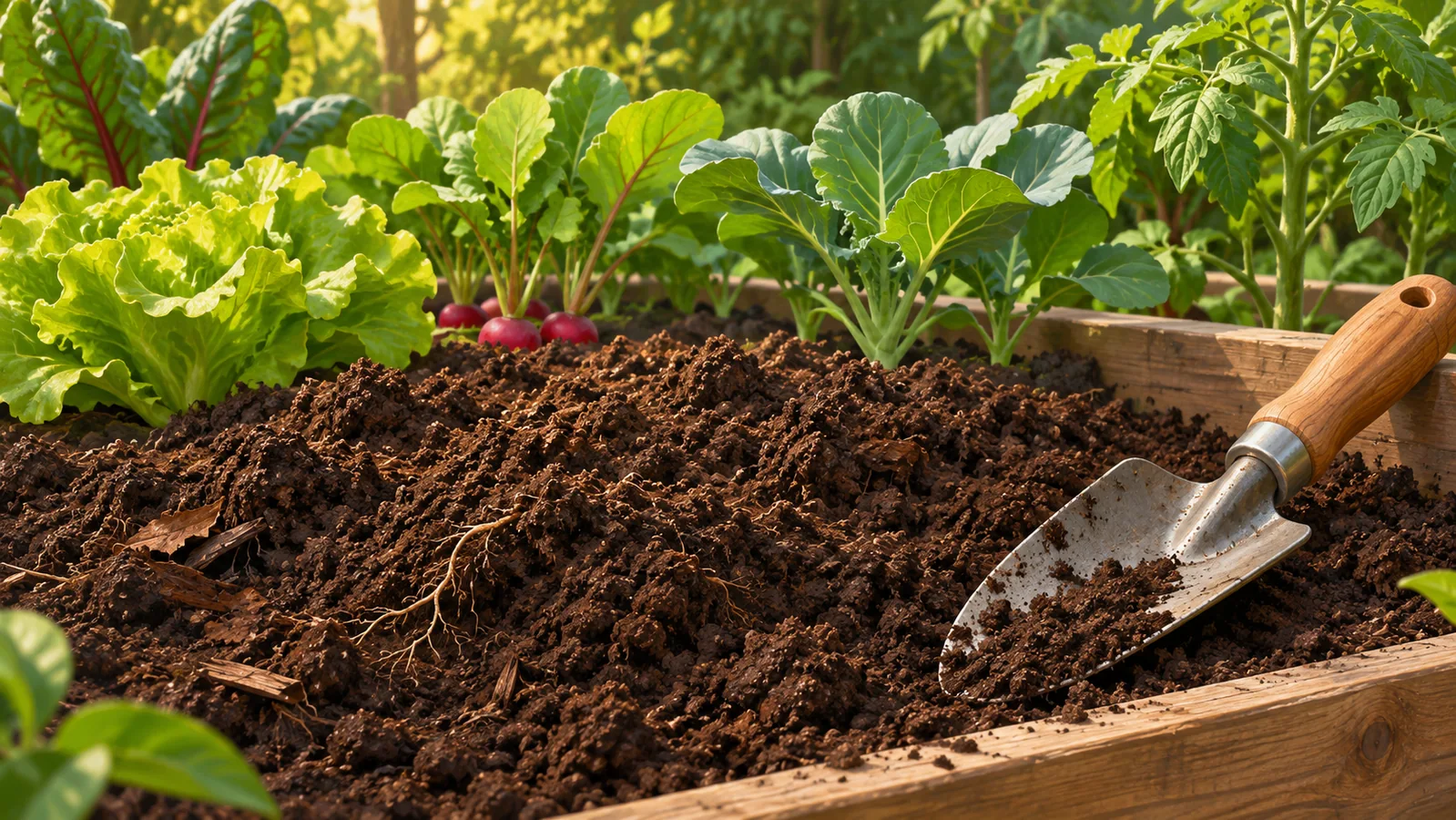
The best soil for a vegetable garden lets roots obtain air, water, and nutrients without remaining waterlogged. A well-structured loam is a useful starting point, but many productive gardens begin with sandy or clay-rich soil. You usually need to improve suitable soil, rather than replace it.
The right choice also depends on the growing space. An in-ground garden, an open-bottom raised bed, and a tomato pot do not need identical materials. Start by identifying the system, checking soil safety and drainage, and obtaining a laboratory test before buying amendments.
Choose soil for the way you grow
Use this comparison to narrow the decision before considering brands or bag labels.
| Growing space | Practical starting point | Main check |
|---|---|---|
| In-ground garden | Safe existing soil with targeted amendments | Drainage, compaction, pH, nutrients |
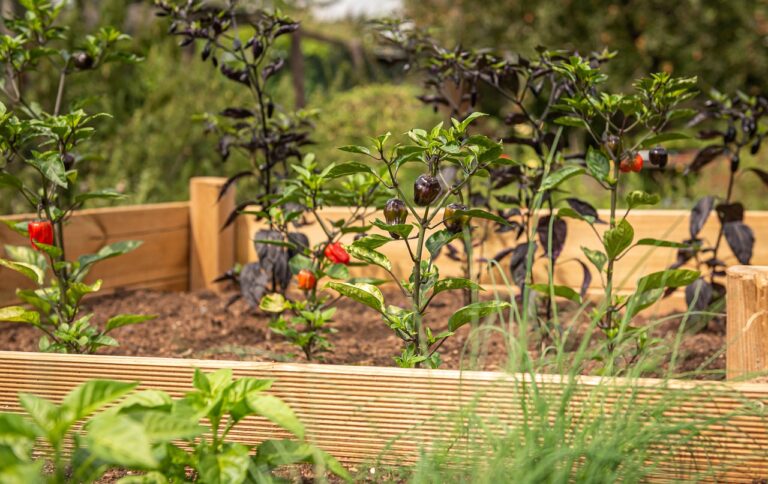
| Open-bottom raised bed | Suitable native soil or a tested mineral-soil blend | Source, rooting depth, compost content |
| Pot or grow bag | Container potting mix | Drainage holes, aeration, existing fertilizer |
A raised bed that rests on pavement behaves differently from one open to good soil below. Check its available rooting depth, drainage route, and structural support before ordering heavy fill.
Understand texture before trying to change it
Texture describes the proportions of sand, silt, and clay. Structure describes how particles form aggregates and pore spaces. As University of Maryland Extension explains, sandy soils tend to drain rapidly, while clay-rich soils retain more water and nutrients but are more susceptible to compaction.
For a rough texture check, moisten a small handful and knead it into a workable consistency. Notice grittiness, stickiness, and whether it forms a ribbon when pinched. Repeat in several parts of the garden. This helps you understand the site; it does not measure fertility or contamination.
In sandy ground, focus on moisture retention and monitor watering closely. In clay-rich ground, protect pore spaces by avoiding traffic in beds and cultivation while wet. Silty and loamy ground also need protection from compaction and surface crusting.
Compost improves structure, but does not turn clay into a different texture class. Maryland’s soil amendment guidance favors organic matter over routine sand additions for clay improvement. A few bags of sand are not a reliable drainage solution.
Check drainage and compaction
Observe the planting area after rain. Persistent standing water, dense layers, and roots confined near the surface deserve investigation before planting. More fertilizer will not restore oxygen to a waterlogged root zone.
For a screening test, Maryland Extension describes digging a hole 12 inches deep and wide, filling it with water, and refilling it the next day. Its drainage guide says the refilled hole should empty within about eight hours. Results vary with site conditions; use this to identify a problem, not to design a drainage system.
A raised bed may improve the rooting zone, but it will not remove flooding or a high water table. Seek local advice where poor drainage persists. In hot, dry climates, a bed that drains rapidly may instead need more frequent moisture checks.
Test pH and nutrients before amending
Most common vegetables suit mildly acidic to near-neutral mineral soil. Wisconsin Extension gives around pH 6.5 as a useful general target, with crop-specific differences. Do not apply lime or sulfur solely because leaves look pale.
Choose a laboratory that interprets results for vegetable gardens in your region. Follow its sampling instructions. Maryland’s sampling guidance recommends combining multiple subsamples from the planting area and keeping distinctly different areas separate.
Tell the lab what you intend to grow and whether the sample is garden soil, a raised-bed blend, or a soilless medium. Request interpretation suited to the material. Keep reports so later tests can reveal nutrient buildup as well as shortages.
A standard fertility panel does not prove that soil is free of contaminants. Ask explicitly about additional testing when land history, old paint, imported fill, or nearby industrial activity creates a concern.
Improve in-ground soil with a purpose
Use finished compost when organic matter and soil condition justify it. Choose a known source, inspect maturity and ingredients, and consider the nutrients it adds. Repeated manure or compost additions can build excessive phosphorus; Minnesota Extension recommends tracking soil tests rather than assuming more is always beneficial.
For established gardens, maintain beds with soil cover, suitable crop rotations, and minimal unnecessary disturbance. Keep walking paths separate. Avoid working wet soil, and check moisture below the surface before watering.
Read our guide to choosing finished compost for ingredient and quality checks. Our vegetable garden mulch comparison helps you select a surface covering after planting.
Buying soil for a raised bed
Ask a bulk supplier where the mineral soil came from, what was blended into it, and whether a recent test is available. Inspect a sample before ordering. Dark color alone does not establish good structure, suitable fertility, or safety.
Rutgers Cooperative Extension supports suitable mineral soil amended with clean, well-rotted compost for permanent raised beds. It also notes that products labeled “topsoil” or “garden soil” can differ greatly in ingredients. Read the composition rather than treating the product name as a specification.
There is no universal best compost percentage for every bed. Native soil, compost salinity and maturity, drainage, crop, and climate all change the appropriate mix. Avoid filling a permanent bed entirely with an unknown compost and expecting stable volume and balanced nutrition.
For bed dimensions and construction, see the raised garden bed design guide. Keep this soil decision separate from choosing the frame.
Use container mix for pots and grow bags
Ordinary garden soil can be too dense in a confined pot. Maryland’s container media guide recommends light, well-aerated mixes and explains the limited rooting volume in containers.
Choose a mix intended for container vegetables, provide drainage holes, and read whether fertilizer is already included. Monitor moisture as plant size, wind, and heat change. A potting mix that works in a small planter is not automatically the most economical choice for filling a large permanent bed.
Address contamination before growing food
If lead contamination is possible, follow EPA’s healthy gardening guidance and obtain appropriate testing. Clean raised-bed soil or containers can reduce exposure when designed and managed appropriately.
Do not blend questionable soil into clean material to dilute the problem. Follow local health advice on barriers, soil handling, and the planting site. Wash hands and produce, prevent contaminated dust from entering the house, and keep children away from soil whose safety is uncertain.
Calculate how much soil you actually need
For a rectangular space, volume in cubic feet equals inside length in feet × inside width in feet × fill depth in inches ÷ 12. Divide by 27 to convert cubic feet to cubic yards.
For example, an 8-by-4-foot bed needing 12 inches of fill takes 32 cubic feet, or about 1.19 cubic yards, before any supplier-advised allowance. If bags hold 2 cubic feet, the base volume is 16 bags. Use volume printed on the bag, rather than its weight.
Enter your dimensions in the topsoil and raised-bed soil calculator. Measure the depth still needing fill, and add any allowance deliberately rather than assuming every blend settles by the same percentage.
Start with the site, then buy the material
Check safety, drainage, and growing system first. Test pH and nutrients, improve suitable native soil, and choose a traceable blend when importing material. A soil test and a small supplier sample are often more useful than buying the most expensive bag.