Email: blogagri2@gmail.com

Beetroot Farming: Planting, Care, Yield and Profit

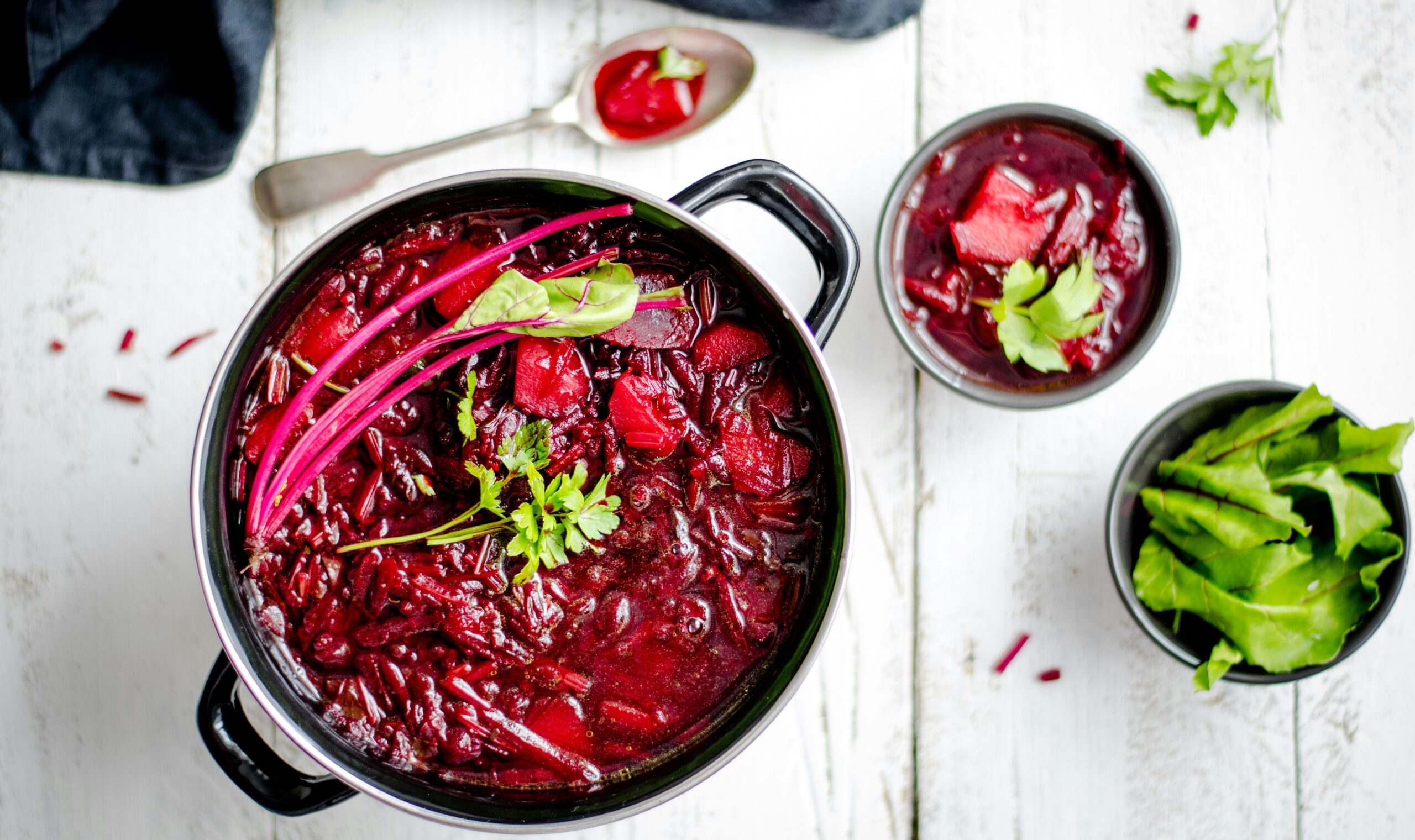
Beetroot farming involves growing Beta vulgaris for its edible roots and leaves. A productive crop needs cool growing conditions, loose and well-drained soil, accurate plant spacing, steady moisture, early weed control, and timely harvesting. Farmers should select varieties and input programs according to local climate, soil tests, market requirements, and available irrigation.
Beetroot is a relatively fast-growing vegetable that can fit home gardens, market gardens, raised beds, and commercial vegetable farms. Both the roots and young leaves can be sold or consumed, giving growers more than one possible product.
The crop is often described as easy to grow, but good marketable yield does not happen automatically. Poor thinning, compacted soil, irregular watering, excessive nitrogen, heat, weeds, and delayed harvesting can produce small, cracked, misshapen, or coarse roots.
What Is Beetroot Farming?
Beetroot farming is the cultivation of table beet for fresh roots, edible greens, processing, pickling, juicing, or local vegetable markets.
Beetroot belongs to the same species as sugar beet and Swiss chard, but these crops have been selected for different purposes.
| Crop type | Main purpose | Typical harvested part |
|---|---|---|
| Beetroot or table beet | Fresh vegetables, processing, pickling, and juice | Root and young leaves |
| Sugar beet | Industrial sugar extraction | Large sugar-rich root |
| Swiss chard | Leafy vegetable production | Leaves and stalks |
| Fodder beet | Livestock feeding | Large root and foliage |
Beetroot should not be confused with commercial sugar beet. Farmers interested in industrial sugar production should read BlogAgri’s separate sugar beet farming guide.
Beetroot can be produced for:
- Fresh loose roots
- Bunched roots with leaves
- Baby beets
- Mature storage roots
- Beet greens
- Pickling
- Juice processing
- Restaurants
- Farmers’ markets
- Community-supported agriculture boxes
The intended market affects variety, spacing, harvest size, washing, packaging, and production schedule.
Important: Decide whether you will sell baby roots, bunched beetroot, topped storage roots, greens, or processing beetroot before planting. Each market requires a different harvest size and quality standard.
Is Beetroot Suitable for Your Climate?
Beetroot is generally a cool-season vegetable. It can germinate in cool soil and usually produces its best root colour, texture, and quality under mild conditions.
Utah State University Extension reports that beet seed can begin germinating at approximately 40°F or 4°C, with stronger germination in moderately warmer soil. Temperatures above approximately 80°F or 27°C can reduce germination and root quality in some production conditions. Growers should treat these as general biological guides rather than universal planting dates.
Read the complete Utah State University beet-growing guide for its regional recommendations.
Climate suitability guide
| Condition | Likely effect | Management response |
|---|---|---|
| Cool to mild weather | Good establishment and root development | Use the normal local planting window |
| Cold, wet soil | Slow emergence and possible seedling disease | Delay planting until the soil is workable |
| Severe frost after emergence | Leaf or seedling damage | Use local frost forecasts and protection |
| Prolonged heat | Poor germination, coarse roots, or slow growth | Plant during a cooler season or provide afternoon shade |
| Dry weather | Slow growth and woody roots | Maintain steady soil moisture |
| High humidity and wet leaves | Greater leaf-disease risk | Improve spacing, drainage, and air movement |
In temperate regions, beetroot may be planted in spring and again in late summer for an autumn crop.
In subtropical regions, it is often better suited to autumn, winter, or early spring production. Tropical growers may achieve better results at higher elevations or during the coolest available season.
Climate Consideration: Do not copy a planting month from another country. Use local temperature, rainfall, frost, and heat patterns to identify the most suitable growing window.
Choosing a Suitable Field
A good beetroot field should receive adequate light and allow the roots to expand without severe resistance.
Look for:
- Loose soil
- Good drainage
- Limited stones
- Low salinity
- Reliable irrigation
- Manageable weeds
- Convenient harvest access
- Suitable crop-rotation history
- A nearby market or buyer
Beetroot can tolerate different soil types, but soil condition strongly affects root shape and marketability. Heavy clods, stones, and compacted layers can produce forked or uneven roots.
Simple soil-structure test
Dig several holes across the field to a depth of approximately 25–30 centimetres or 10–12 inches.
Check whether:
- A spade enters easily
- Roots from the previous crop grew downward
- Water drains after rain
- A hard layer is present
- Large stones occupy the root zone
- The soil breaks into crumbs rather than solid blocks
Repeat the check in low areas, headlands, and machinery tracks. One good location does not prove that the entire field is suitable.
Field Tip: If roots from the previous crop bend sideways at a similar depth, a compacted layer may be restricting growth. Correct the cause before planting beetroot where practical.
Soil Requirements for Beetroot Farming
Beetroot performs best in fertile soil that holds useful moisture but still drains adequately.
Suitable soil characteristics include:
- Deep and friable structure
- Good aeration
- Moderate water-holding capacity
- Low stone content
- Adequate organic matter
- Balanced nutrients
- Suitable pH
- Low compaction
A soil pH near neutral is suitable for many vegetable systems, but beetroot can tolerate moderately alkaline conditions better than some garden crops. Soil testing is more useful than attempting to force every field toward one universal pH.
Do not add lime, sulfur, boron, or another amendment simply because an online article recommends it. The correct product and rate depend on the soil test, soil buffering capacity, local conditions, and crop recommendation.
Preparing the seedbed
- Remove established weeds and crop debris that may obstruct seeding.
- Test the soil before selecting fertiliser.
- Correct serious drainage or compaction problems.
- Incorporate mature compost where it is needed.
- Break large clods without turning the soil into powder.
- Remove large stones from the main root zone.
- Level the seedbed for uniform planting and irrigation.
- Keep enough firmness for good seed-to-soil contact.
Fresh manure may introduce weeds, create uneven nutrient release, and create food-safety concerns. Use well-managed compost and follow local organic-input and produce-safety requirements.
Choosing the Right Beetroot Variety
The best variety depends on climate, market, harvest size, disease pressure, and intended use.
| Variety type | Main feature | Possible market |
|---|---|---|
| Round red beet | Familiar shape and colour | General fresh market |
| Cylindrical beet | Long, uniform slices | Processing and pickling |
| Golden beet | Yellow or orange flesh | Specialty markets |
| Striped beet | Decorative internal rings | Restaurants and premium retail |
| Baby beet variety | Rapid sizing at small diameter | Bunching and baby vegetables |
| Bolt-tolerant variety | Reduced flowering risk under cool stress | Early planting |
| Disease-resistant variety | Protection against specific local diseases | Fields with known disease risk |
Examples such as Detroit Dark Red, Early Wonder, Chioggia, Golden types, and modern hybrids may be available in different markets. Availability and performance vary by country.
Before purchasing seed, compare:
- Days to maturity
- Root shape
- Root colour
- Top strength
- Bolt tolerance
- Uniformity
- Disease resistance
- Storage performance
- Processing suitability
- Local trial results
A visually unusual variety may earn a premium in a restaurant or farmers’ market but perform poorly in a wholesale market that expects conventional red roots.
How to Plant Beetroot
Beetroot is usually direct-seeded because direct sowing avoids root disturbance and is practical for both gardens and field production.
Many beet seed units are seed clusters that can produce more than one seedling. This is why a planted row may need thinning even when individual seed units were spaced carefully.
General planting measurements
The following figures are practical starting points based on extension guidance. Adjust them for soil texture, equipment, seed type, target root size, and market requirements.
| Planting factor | General starting range |
|---|---|
| Planting depth | ½–1 inch or about 1.3–2.5 cm |
| Final plant spacing | 3–4 inches or about 7.5–10 cm |
| Row spacing | 12–18 inches or about 30–45 cm |
| Germination period | Often 7–14 days under suitable conditions |
| Typical maturity | Commonly 50–80 days, depending on variety and conditions |
Baby beet production may use closer spacing, while large roots require more room. Commercial machinery and bed systems may also require wider row arrangements.
Step-by-step planting process
- Prepare a level and moist seedbed.
- Mark straight rows at the selected spacing.
- Sow seed at a consistent depth.
- Cover the seed with fine soil.
- Press the soil lightly to improve contact.
- Irrigate gently without washing seed out of the row.
- Keep the surface evenly moist during germination.
- Inspect emergence in several parts of the field.
- Thin crowded seedlings after establishment.
- Replace only genuinely failed areas where replanting remains practical.
Routine overnight seed soaking is not necessary for every production system. Uniform placement, suitable temperature, viable seed, and steady moisture are more important. Follow any treatment instructions supplied by the seed company.
Common Mistake: Failing to thin beetroot because each seed unit looked individually spaced. Multiple seedlings may emerge close together and compete for the space needed to form marketable roots.
Succession Planting for a Continuous Harvest
One large planting may create more beetroot than the market can absorb at one time.
Succession planting divides production into smaller plantings made at planned intervals. This can:
- Extend the harvest
- Reduce one-time labour pressure
- Improve market consistency
- Spread weather risk
- Supply regular restaurant or market orders
Small growers may sow a new section every 10–21 days during a suitable season. The interval should reflect temperature, expected growth rate, labour, and customer demand.
Do not continue planting into a season that is becoming too hot, too cold, or too wet for good root quality.
BlogAgri’s guide to crop intensification and succession planning explains how additional crop cycles can improve land use when timing, water, labour, and soil health support the plan.
Thinning and Crop Establishment
Thinning is one of the most important steps in beetroot cultivation.
Crowded plants may produce:
- Small roots
- Uneven sizing
- Misshapen roots
- Excess leaf competition
- Greater harvest labour
- Lower marketable yield
Thin seedlings when they are established enough to handle but before severe competition begins. Keep the strongest, best-positioned seedlings.
Thinned young leaves may be used as edible greens when they are clean, healthy, and suitable for consumption. Do not sell or consume leaves exposed to products that are not approved for edible greens.
What a healthy stand looks like
A healthy beetroot stand has:
- Even emergence
- Limited gaps
- Upright leaves
- Similar plant size
- Adequate final spacing
- Minimal crusting
- Limited insect injury
- No waterlogged patches
- Low early weed competition
Count plants in several measured row sections instead of judging the whole field from the roadside.
Fertiliser and Nutrient Management
Beetroot needs balanced nutrition, but fertiliser should not be applied every few weeks without evidence.
Start with:
- A representative soil test
- The crop’s local nutrient recommendation
- Previous crop history
- Compost and manure records
- Irrigation-water quality
- Expected yield
- Market requirements
Nitrogen supports leaf and root development, but excessive nitrogen may encourage too much top growth at the expense of balanced root production. It can also increase cost and reduce storage quality in some conditions.
Phosphorus and potassium requirements depend on the soil test. Micronutrients should only be applied when deficiency risk is supported by soil, tissue, or regional evidence.
Boron is sometimes discussed in beet production because deficiency can damage roots. However, the safe range between insufficient and excessive boron can be narrow. Never apply boron by guesswork.
After receiving a local nutrient recommendation, use BlogAgri’s fertiliser dosage calculator to convert required nutrient amounts into estimated quantities of common fertilisers. The calculator should support, not replace, a soil laboratory or extension recommendation.
Agricultural Insight: A dark green crop with large leaves is not automatically a high-yielding crop. Beetroot value depends on marketable root size, shape, colour, texture, and uniformity.
Irrigation and Moisture Management
Beetroot needs steady moisture during emergence and root enlargement.
Irregular watering can contribute to:
- Slow emergence
- Surface crusting
- Small roots
- Root cracking
- Coarse texture
- Premature flowering
- Uneven maturity
- Reduced marketable yield
Irrigation frequency depends on:
- Soil texture
- Temperature
- Wind
- Rainfall
- Plant size
- Rooting depth
- Mulch
- Irrigation method
Sandy soil generally requires smaller, more frequent applications. Heavy soil holds water longer but is more vulnerable to poor aeration and root disease if overwatered.
Check moisture below the surface rather than relying only on the colour of the topsoil.
A useful field check is to take soil from the active root zone and squeeze it gently. Very dry soil falls apart immediately. Saturated soil feels sticky and may release water. The desired condition depends on soil texture, but it should generally feel moist without being waterlogged.
Important: Increase irrigation only after checking the soil. Wilting can also result from damaged roots, disease, salinity, or waterlogging.
Weed Management
Beetroot seedlings grow slowly enough that weeds can gain an early advantage.
The critical period begins around emergence and early root development. Weeds compete for light, moisture, nutrients, and physical space.
Use an integrated approach:
- Begin with a clean seedbed
- Rotate crops
- Prevent weeds from producing seed
- Cultivate shallowly
- Hand-remove weeds near roots
- Use mulch where practical
- Use only locally registered herbicides
- Record resistant or repeated weed patches
Deep cultivation close to established beetroot can cut roots or damage the developing crop.
Safety Note: Herbicide registrations, application rates, and harvest intervals change by country and product. Follow the current label and obtain local crop-protection advice.
Common Beetroot Pests and Diseases
Regular scouting helps distinguish minor cosmetic damage from problems that threaten root yield or market quality.
Cornell provides detailed table beet disease resources for commercial growers, including information on Cercospora, Phoma, bacterial leaf spot, and Rhizoctonia.
| Problem | Common signs | Practical response |
|---|---|---|
| Leafminers | Pale winding or blotchy mines inside leaves | Remove badly damaged leaves, monitor young plants, protect edible greens |
| Aphids | Colonies, curled foliage, sticky residue | Encourage natural enemies and use approved controls when needed |
| Flea beetles | Small holes in young leaves | Protect seedlings and control surrounding hosts |
| Cercospora leaf spot | Small spots with pale centres and coloured margins | Rotate crops, improve airflow, use resistant varieties, and follow local disease guidance |
| Phoma leaf spot and root rot | Leaf lesions, seedling loss, misshapen or decaying roots | Use healthy seed, rotation, drainage, and sanitation |
| Rhizoctonia root rot | Crown lesions, wilting, and root decay | Improve drainage, rotate crops, and confirm diagnosis |
| Damping-off | Seedlings fail, collapse, or darken at soil level | Avoid waterlogging and use clean seed and seedbeds |
| Scab or rough root lesions | Corky or rough root surfaces | Review soil conditions, rotation, and diagnosis |
Leafminer damage may have limited effect on roots when infestations are light, but it matters more when beet greens are being sold. University of Minnesota Extension’s leafminer guidance can help with identification.
Do not diagnose a crop from one photograph. Nutrient stress, chemical injury, waterlogging, heat, and several diseases may produce similar symptoms.
Beetroot Troubleshooting Guide
The following table links visible crop problems with possible causes. Use it to guide investigation rather than as a final diagnosis.
| Symptom | Possible causes | First action |
|---|---|---|
| Poor germination | Old seed, heat, crusting, excessive depth, dry soil, waterlogging | Check seed depth, moisture, and temperature |
| Many seedlings in clusters | Multigerm seed units | Thin to the required spacing |
| Small roots | Crowding, weeds, shade, low fertility, drought, early harvest | Check spacing and recent crop management |
| Large leaves but small roots | Excess nitrogen, crowding, shade, immature crop | Review fertiliser and plant spacing |
| Forked or misshapen roots | Stones, compaction, clods, root injury | Improve the seedbed for the next crop |
| Cracked roots | Irregular moisture or delayed harvest | Maintain steady watering and harvest on time |
| Coarse or woody roots | Heat, drought, excess size, late harvest | Use a cooler planting window |
| Black internal areas | Possible nutrient disorder, disease, or injury | Obtain a local diagnosis before applying micronutrients |
| Flower stalks instead of roots | Bolting caused by stress, variety, or temperature | Use suitable varieties and planting dates |
| Rotting roots | Poor drainage, injury, disease, or poor storage | Separate affected roots and identify the cause |
Growing Beetroot in Containers
Home gardeners can produce beetroot in containers where field soil is unavailable or unsuitable.
Choose a container that is:
- At least 25–30 centimetres or 10–12 inches deep
- Wide enough for several plants
- Equipped with drainage holes
- Filled with loose growing media
- Strong enough when wet
- Located where it receives suitable light
Use the same final plant spacing as a garden crop unless growing baby beets.
Container media dries faster than field soil. Check moisture frequently but do not allow the base of the container to stand in stagnant water.
Avoid using garden soil alone in a pot because it may compact and drain poorly.
Harvesting Beetroot
Harvest timing depends on variety, market, root size, texture, and weather.
Many beet varieties reach useful maturity within approximately 50–80 days. Roots can be harvested earlier for baby beet sales or left longer for mature production.
University of Minnesota Extension recommends harvesting many beet types when roots are approximately 1¼–3 inches in diameter, depending on the intended use. Its vegetable harvesting and storage guide also recommends removing the tops before longer storage.
Harvest steps
- Check root size in several parts of the field.
- Confirm buyer or market requirements.
- Irrigate dry soil lightly before harvest where appropriate.
- Loosen firm soil with suitable equipment.
- Lift roots without cutting or bruising them.
- Separate damaged or diseased roots.
- Trim tops according to market requirements.
- Keep harvested roots shaded.
- Cool the crop promptly.
- Pack according to the intended market.
Avoid pulling aggressively by the leaves in hard soil. This can break tops, damage roots, and reduce storage life.
Post-Harvest Handling and Storage
Beetroot quality can decline quickly when harvested roots are left in direct sun or handled roughly.
Good post-harvest practice includes:
- Clean harvest containers
- Protection from sunlight
- Removal of field heat
- Separation of damaged roots
- Clean water where washing is required
- Suitable packaging
- Cold and humid storage
- Stock rotation
Topped roots generally store longer than roots with full leaves because foliage continues losing water.
Under well-controlled commercial conditions, beetroot can remain usable for several months in near-freezing, high-humidity storage. Home refrigerator storage is usually shorter and depends on freshness, variety, damage, packaging, and temperature control.
Do not store roots showing soft rot or serious damage with healthy produce.
Planning Beetroot Yield
Yield varies according to:
- Variety
- Plant population
- Root size
- Season
- Soil
- Irrigation
- Fertility
- Pest pressure
- Harvest losses
- Market grading
University of Minnesota’s vegetable crop-planning tools use approximately 30–60 pounds of beetroot per 100-foot row as a planning range for its production context.
This figure is not a global yield guarantee. Commercial growers should use local field trials, buyer records, and extension data.
Calculate marketable yield
Use the following approach:
Marketable yield = total harvested weight − damaged, diseased, undersized, oversized, and rejected roots
A high total yield may still be unprofitable when a large percentage fails market standards.
Record:
- Planted area
- Seed quantity
- Emerged plants
- Harvested weight
- Marketable weight
- Rejected weight
- Average root size
- Sale price
- Harvest labour
- Packaging cost
Is Beetroot Farming Profitable?
Beetroot can be profitable where production matches local demand and the grower controls labour, irrigation, packaging, transport, and crop losses.
Profit depends on:
- Marketable yield
- Sale price
- Seed cost
- Land preparation
- Fertiliser
- Irrigation
- Weed control
- Crop protection
- Harvest labour
- Washing and grading
- Packaging
- Transport
- Market fees
- Unsold produce
Use this formula:
Estimated profit = total sales revenue − total production and marketing costs
Beetroot cost worksheet
| Cost or revenue item | Estimated amount |
|---|---|
| Seed | $_____ |
| Land preparation | $_____ |
| Compost and fertiliser | $_____ |
| Irrigation | $_____ |
| Weed management | $_____ |
| Pest and disease management | $_____ |
| Labour | $_____ |
| Harvesting | $_____ |
| Washing and grading | $_____ |
| Packaging | $_____ |
| Transport and market fees | $_____ |
| Total cost | $_____ |
| Expected marketable yield | _____ |
| Expected selling price | $_____ |
| Gross revenue | $_____ |
| Estimated profit | $_____ |
Calculate at least three scenarios:
- Low yield with higher costs
- Expected yield with normal costs
- Strong yield with favourable prices
Farmers comparing beetroot with other vegetables can review BlogAgri’s cash crops for small farms and small farm income ideas.
Important: Do not base the business plan on the highest retail price if most of the crop will be sold wholesale.
Marketing Beetroot
Potential buyers include:
- Farmers’ markets
- Vegetable shops
- Restaurants
- Juice businesses
- Pickling businesses
- Wholesalers
- Supermarkets
- Community-supported agriculture programs
- Online local-food customers
Ask buyers:
- Which varieties do they prefer?
- Do they want tops attached?
- Which root diameter is acceptable?
- How should roots be washed?
- Which package size is needed?
- How often will they buy?
- Will they accept golden or striped varieties?
- What defects cause rejection?
- How quickly do they pay?
A mixed package of red, golden, and striped beetroot may appeal to premium customers, while wholesalers may value uniform red roots more highly.
Food Safety During Production and Harvest
Vegetables can become contaminated through unsafe water, animals, dirty equipment, workers, manure, or poor post-harvest handling.
Practical measures include:
- Use suitable irrigation and wash water
- Keep harvest containers clean
- Provide handwashing facilities
- Exclude livestock from production areas
- Manage compost properly
- Remove animal droppings
- Separate damaged produce
- Clean grading and packing surfaces
- Train workers
- Follow local produce-safety regulations
The FAO’s good agricultural practices for fruit and vegetable production explains how crop health, product quality, and food safety are connected.
Safety Note: A pesticide being approved for beet roots does not always mean the treated leaves may be sold as edible greens. Check the label for the exact crop use and harvest interval.
Sustainable Beetroot Cultivation
Sustainable beetroot farming aims to produce a marketable crop while protecting soil, water, workers, and future yields.
Useful practices include:
- Crop rotation
- Soil testing
- Compost use based on need
- Efficient irrigation
- Mulching
- Shallow cultivation
- Integrated pest management
- Reduced soil compaction
- Accurate fertiliser placement
- Prevention of harvest waste
- Local marketing
- Production records
Avoid growing beetroot or closely related crops repeatedly in the same soil where disease pressure is increasing.
Related crops include:
- Sugar beet
- Swiss chard
- Spinach
- Other beet types
Rotation does not remove every disease, but it can reduce repeated host exposure when combined with sanitation, drainage, and suitable varieties.
Common Beetroot Farming Mistakes
Assuming Beetroot Grows Equally Well Everywhere
Climate, soil structure, irrigation, and market conditions strongly affect results.
Planting in Compacted or Stony Soil
Restricted soil creates misshapen roots and difficult harvesting.
Failing to Thin Seedlings
Crowding is one of the most common causes of small, uneven roots.
Applying Fertiliser Without a Soil Test
Unnecessary fertiliser increases cost and may reduce crop quality.
Allowing the Seedbed to Dry During Germination
Uneven moisture can produce poor and irregular establishment.
Watering Heavily After a Dry Period
Sudden moisture changes can contribute to root cracking.
Ignoring Early Weeds
Young beetroot competes poorly when weeds become established first.
Harvesting Every Root on One Date
A field may contain different root sizes. Selective or staged harvesting can improve marketability.
Assuming Total Yield Equals Saleable Yield
Damaged, diseased, misshapen, or oversized roots may be rejected.
Planting Without a Buyer
A successful crop may still lose money when the market is too small or transport is expensive.
When You Should Delay Beetroot Planting
Delay or reconsider planting when:
- The field remains waterlogged
- Severe compaction cannot be corrected
- Irrigation is unavailable
- The season will soon become extremely hot
- The soil is heavily infested with difficult weeds
- Related crops have recently suffered severe root disease
- Suitable seed is unavailable
- Labour is unavailable for thinning and harvesting
- No market has been identified
- Profit depends on an unrealistic price or yield
A small trial planting is safer than committing the whole field when climate, variety, or market performance is uncertain.
Frequently Asked Questions
What is the best climate for beetroot farming?
Beetroot generally performs best in cool to mild conditions. Excessive heat can reduce germination and root quality, while saturated cold soil may slow emergence and increase disease risk. The best planting window depends on local temperature, frost, rainfall, and irrigation patterns.
How long does beetroot take to grow?
Many beetroot varieties mature in approximately 50–80 days, but baby beets can be harvested earlier. Variety, temperature, soil fertility, plant spacing, moisture, and target root size all influence the actual harvest date.
How deep should beetroot seed be planted?
A general planting depth is approximately ½–1 inch or 1.3–2.5 centimetres. Use a shallower depth in heavy or crust-prone soil and adjust for moisture and seedbed condition. Always follow the seed supplier’s regional guidance where available.
What spacing is best for beetroot?
A common final spacing is approximately 3–4 inches or 7.5–10 centimetres between plants, with rows around 12–18 inches or 30–45 centimetres apart. Baby beet production may use closer spacing, while larger roots need more room.
Why are my beetroot plants producing small roots?
Small roots may result from overcrowding, weeds, shade, drought, compacted soil, low fertility, excessive heat, or harvesting before maturity. Begin by checking plant spacing, soil moisture, root-zone condition, and the number of days since planting.
Does beetroot need a lot of fertiliser?
Beetroot requires balanced nutrients, but high fertiliser use is not automatically beneficial. Apply nutrients according to soil testing and local crop recommendations. Excess nitrogen may create large leaves without a proportional improvement in marketable root yield.
Can beetroot grow in containers?
Yes. Use a container at least 25–30 centimetres deep with drainage holes and loose growing media. Thin plants to suitable spacing, keep the media evenly moist, and avoid allowing the container to remain in standing water.
What are the main beetroot pests and diseases?
Common problems include leafminers, aphids, flea beetles, Cercospora leaf spot, Phoma leaf spot and root rot, Rhizoctonia root rot, damping-off, and scab. The most important problems differ by climate and production region.
When should beetroot be harvested?
Harvest beetroot when the roots reach the size required by your household or buyer. Many fresh-market roots are harvested between approximately 1¼ and 3 inches in diameter. Delayed harvesting during hot or dry weather may produce coarse roots.
Is beetroot farming profitable?
Beetroot farming may be profitable when marketable yield, sale price, and reliable demand cover seed, irrigation, labour, fertiliser, harvesting, grading, packaging, and transport costs. Profit should be calculated using realistic wholesale and retail scenarios rather than the highest possible selling price.
Plan for Marketable Roots, Not Just More Roots
Successful beetroot farming depends on field suitability, uniform establishment, timely thinning, steady moisture, balanced nutrition, early weed control, and careful harvesting.
Begin with a small trial if the variety, season, or market is new. Record planting dates, spacing, irrigation, inputs, harvested weight, rejected roots, selling price, and labour.
These records will show which production changes improve marketable yield and profit in your own conditions.
Explore more practical production resources in the BlogAgri horticulture section.