Email: blogagri2@gmail.com

Angora Rabbits: The Source of the World’s Softest Wool

Angora Rabbits: Breeds, Care, Wool and Ethical Production
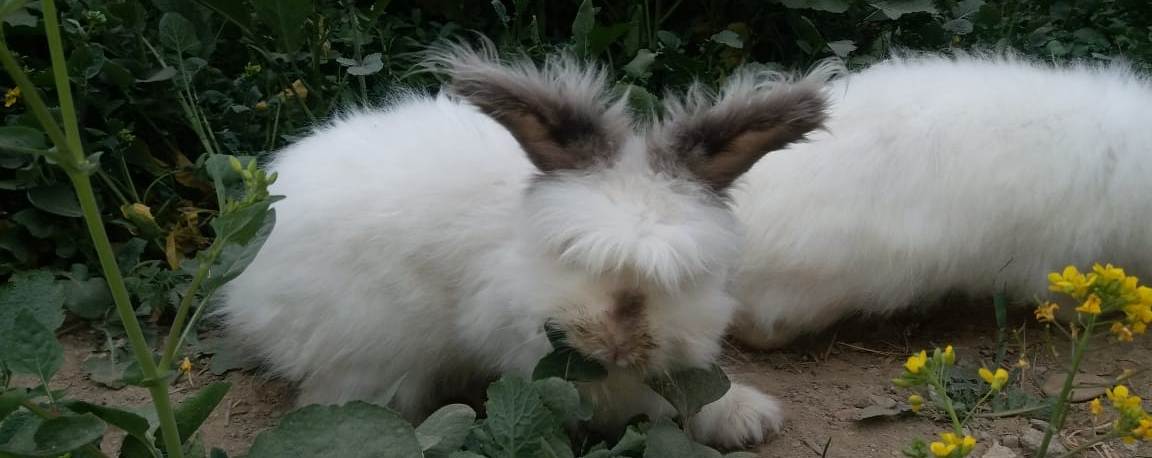
Angora rabbits are long-haired domestic rabbits raised as companion animals, exhibition rabbits, or sources of natural fiber. Their exceptionally fine coat can be spun into lightweight yarn, but it also creates demanding grooming, feeding, housing, and welfare responsibilities. They are not suitable for owners looking for a low-maintenance rabbit.
The soft appearance of an Angora rabbit can make the breed look easy to care for. In reality, the coat requires regular attention to prevent mats, skin problems, overheating, and excessive ingestion of loose hair.
Anyone considering Angora rabbits for wool production should first understand the animal’s daily needs. Fiber quality is important, but the rabbit’s comfort, health, movement, diet, and freedom from painful handling must come first.
What Are Angora Rabbits?
Angora rabbits are domestic rabbits selectively bred to produce a long, dense wool coat. Their fiber is commonly called Angora wool, although it comes from a rabbit rather than a sheep.
Angora rabbit fiber should not be confused with mohair. Angora fiber comes from rabbits, while mohair comes from Angora goats.
The rabbits are commonly associated with Ankara, historically called Angora, in modern Turkey. Their precise early history is not fully documented, so claims that they were definitely raised during a particular ancient century should be treated carefully.
Today, Angora rabbits are kept in many countries by:
- Fiber artists
- Hand spinners
- Rabbit exhibitors
- Smallholders
- Specialist breeders
- Companion-rabbit owners
- Agricultural students
Commercial or small-scale Angora production involves much more than harvesting wool. It requires suitable housing, daily observation, coat management, veterinary access, clean fiber handling, and a reliable market.
Important: Do not buy an Angora rabbit only because its coat looks attractive. First decide whether you can provide regular grooming, appropriate housing, a high-fiber diet, exercise, and rabbit-experienced veterinary care.
Main Angora Rabbit Breeds
The American Rabbit Breeders Association’s recognised-breed list includes four Angora breeds: English, French, Giant, and Satin Angora. Breed recognition differs between countries, so local rabbit associations may use different standards.
| Angora breed | Main coat characteristic | General care level | Common reason for keeping |
|---|---|---|---|
| English Angora | Dense wool with heavy facial, ear, and foot furnishings | Very high | Showing, spinning, or companionship |
| French Angora | More visible guard hair and less facial furnishing | High | Fiber production and hand spinning |
| Giant Angora | Large wool-producing breed that requires shearing | High | Higher-volume fiber production |
| Satin Angora | Fine wool with noticeable sheen | High | Specialty fiber and exhibition |
| German Angora | Productive fiber rabbit recognised by specialist organisations rather than ARBA | High | Dedicated wool production |
The English Angora is the smallest of the four ARBA-recognised Angora breeds, with an ARBA maximum weight of 7.5 pounds. The French Angora has a maximum weight of 10.5 pounds. The Giant Angora has no ARBA maximum weight and was developed specifically as a wool-producing breed.
Readers interested in large rabbit breeds can also compare space, handling, and housing needs in the BlogAgri giant rabbit care guide.
English Angora
English Angoras have wool on much of the face, ears, and feet. This creates their round and heavily coated appearance, but it also increases grooming difficulty.
The coat can collect hay, bedding, moisture, and debris around the eyes, mouth, and underside. These rabbits need owners who can inspect difficult areas regularly.
French Angora
French Angoras generally have less wool on the face and feet than English Angoras. Their coat contains more visible guard hair, which may make routine coat care somewhat easier.
“Easier” does not mean low maintenance. French Angoras still require regular grooming, coat checks, and planned wool harvesting.
Giant Angora
The Giant Angora was developed as a larger fiber-producing rabbit. Unlike Angora breeds that may naturally loosen part of their coat, Giant Angoras require shearing because they do not normally shed the fleece in the same way.
Their larger size also means they require more space, appropriately sized equipment, and careful handling.
Satin Angora
Satin Angoras are valued for the sheen of their fiber. Their annual fiber output may be lower than that of some specialised production lines, but the appearance of the wool can appeal to hand spinners and specialty buyers.
German Angora
German Angoras are known for wool production and are managed through specialist breeder organisations. They are not one of the four Angora breeds listed by ARBA.
Breed labels should not be used as a guarantee of fiber yield. Health, genetics, sex, age, season, pregnancy, diet, grooming, and harvesting interval can all affect wool quantity and quality. Research on French Angoras has shown that season, sex, age, and reproductive stage can influence wool production.
Why Is Angora Wool Valued?
Angora wool is valued because it is fine, lightweight, warm, and able to create a soft halo around yarn and finished fabric.
Its most useful qualities include:
- Fine texture
- Low weight
- Strong insulating ability
- Soft surface
- Natural loft
- Attractive halo in yarn
- Ability to blend with other fibers
Pure Angora can be difficult to spin and may lack the strength needed for some products. Fiber artists often blend it with sheep’s wool, alpaca, silk, or another stronger fiber.
Blending can:
- Improve yarn strength
- Reduce excessive shedding
- Make spinning easier
- Control the halo effect
- Reduce production cost
- Improve garment shape retention
Angora wool should not automatically be marketed as hypoallergenic. People may react differently to animal fibers, dander, saliva, dust, dyes, or processing chemicals.
Is an Angora Rabbit Suitable for Beginners?
An Angora rabbit may suit a careful beginner who has researched rabbit care and can commit to frequent grooming. It is not the easiest first rabbit.
Before choosing one, ask:
- Can I inspect and groom the coat almost every day?
- Can I recognise reduced eating or droppings quickly?
- Is a rabbit-experienced veterinarian available?
- Can I provide a large exercise area?
- Can I keep the rabbit cool in hot weather?
- Can I harvest wool without pulling attached fiber?
- Can I keep detailed health and grooming records?
- Can I afford feed, housing, equipment, and veterinary care?
A short-haired rabbit may be a better choice for a household that cannot maintain a long coat consistently.
Common Mistake: Assuming that grooming once every few weeks is enough. Small tangles can become tight mats that pull the skin, trap moisture, hide wounds, and become difficult to remove safely.
Housing Angora Rabbits
Angora rabbits need a clean, dry, well-ventilated living area with enough room to stretch, stand, hop, turn, explore, and rest.
A small wire cage should not be treated as complete housing. Rabbits need exercise, mental stimulation, hiding places, and opportunities to express normal behaviour.
A suitable setup should provide:
- Solid, non-slip flooring
- A large resting area
- A separate litter area
- Constant access to clean water
- A hay feeding area
- A hiding place
- Safe chew items
- Daily exercise space
- Protection from predators
- Protection from rain and direct sun
- Good ventilation without strong drafts
Wire flooring can place pressure on the feet and may contribute to sore areas. Solid flooring with clean, dry bedding or suitable mats is generally more comfortable.
Inspect bedding regularly. Wet or dirty material can contaminate the coat, irritate the skin, attract flies, and reduce fiber quality.
Indoor or Outdoor Housing
Indoor housing makes temperature control, observation, grooming, and social interaction easier. It also reduces exposure to predators and severe weather.
Outdoor housing requires more planning. The enclosure must be:
- Predator-resistant
- Rainproof
- Well ventilated
- Protected from direct sun
- Safe from flooding
- Easy to clean
- Secure against escape
- Large enough for movement
Long wool makes heat management especially important. Watch for rapid breathing, weakness, stretched-out posture, hot ears, reduced activity, or refusal to eat during warm weather.
Climate Consideration: A dense coat that is useful in cold weather can become a serious burden in hot and humid conditions. Adjust coat length, ventilation, shade, water availability, and harvesting schedules according to local climate and veterinary advice.
What Should Angora Rabbits Eat?
Angora rabbits need a high-fiber diet that supports digestion, dental wear, and normal movement of food through the gastrointestinal tract.
For most healthy adult rabbits, the basic diet includes:
- Unlimited high-quality grass hay
- Constant access to fresh water
- Measured high-fiber rabbit pellets
- Suitable leafy greens introduced gradually
- Very small amounts of fruit or sugary vegetables as treats
Veterinary nutrition guidance recommends unlimited hay because frequent fiber intake supports intestinal movement. Excess pellets and high-carbohydrate treats can contribute to obesity, soft stools, and digestive problems. MSD Veterinary Manual rabbit nutrition guidance explains that diet should also be adjusted for age, growth, pregnancy, lactation, body condition, and lifestyle.
Do not remove hay from the diet simply because pieces may become caught in the coat. A better approach is to use a clean hay rack, keep the feeding area dry, and groom out debris.
Water Management
Clean water must always be available. Heavy bowls may allow some rabbits to drink more naturally, but they can also wet the coat if badly positioned.
Place the water container where the chest, dewlap, and facial wool are less likely to become soaked. Check it several times daily during hot weather.
Feeding Mistakes to Avoid
Avoid:
- Feeding mostly pellets
- Giving large amounts of carrots or fruit
- Making sudden diet changes
- Feeding mouldy or dusty hay
- Using supplements without a clear reason
- Allowing obesity
- Assuming wool production justifies excessive protein
- Ignoring reduced appetite
A productive coat cannot compensate for poor digestive health.
Grooming Angora Rabbits
Coat care is the central responsibility of Angora ownership.
The Rabbit Welfare Association & Fund notes that long-haired rabbits may be unable to manage their own coats adequately and may require daily grooming. The organisation also highlights the increased welfare burden and flystrike risk associated with extreme coat length. Read its long-haired rabbit welfare position.
A practical routine includes:
Daily Checks
Inspect:
- Around the eyes
- Under the chin
- Behind the ears
- Armpits
- Belly
- Groin
- Tail area
- Feet
- Areas under harnesses or equipment
Remove small pieces of bedding or hay before they become tangled.
Regular Grooming Sessions
Use equipment suited to the coat and the handler’s experience. This may include:
- Wide-toothed comb
- Grooming comb
- Soft slicker used carefully
- Blunt-tipped scissors
- Electric clippers
- Grooming table or non-slip surface
Work in small sections. Support the skin and avoid pulling. Rabbit skin can be delicate and may tear more easily than people expect.
Never cut blindly underneath a mat. Skin can be drawn upward into the tangle.
Safety Note: Tight mats, wounds, urine-soaked wool, fly eggs, skin infection, or mats close to the genitals should be handled by a rabbit-experienced veterinarian or skilled groomer.
What a Healthy Coat Looks Like
Healthy wool should be:
- Dry
- Relatively clean
- Free from tight mats
- Free from strong odour
- Comfortable against the skin
- Free from parasites
- Free from hidden sores
Coat quality is not only a fiber issue. It is also a useful sign of nutrition, health, hygiene, and management.
Humane Angora Wool Harvesting
Angora wool may be collected by clipping, shearing, or removing fiber that has naturally loosened during a molt. The correct method depends on breed, coat cycle, climate, fiber purpose, and handler skill.
The basic welfare rule is simple:
Do not pull wool that is still attached firmly to the skin.
Forceful restraint, painful plucking, rushed shearing, skin cuts, overheating, and leaving the rabbit exposed after harvesting are unacceptable.
Shearing or Clipping
Shearing uses scissors or electric clippers to shorten the coat.
Advantages include:
- Clear separation of the fleece
- Suitability for non-moulting breeds
- Easier scheduling
- Reduced risk of pulling attached wool
Risks include:
- Skin cuts
- Stress
- Uneven coat length
- Chilling after harvesting
- Overheating if harvesting is delayed
Use sharp, clean equipment and a calm handling method. Work slowly and keep the skin visible.
Collecting Naturally Loose Fiber
Some Angoras loosen fiber during a natural coat cycle. Only fiber that releases with little or no resistance should be removed.
Stop immediately when:
- The rabbit struggles repeatedly
- The skin moves with the fiber
- Attached hair is being pulled
- The rabbit shows pain or fear
- Redness appears
- The handler cannot distinguish loose from growing wool
“Plucking” should never be used as a justification for tearing attached fiber from a restrained rabbit.
Agricultural Insight: High-quality fiber production depends on healthy skin, steady nutrition, low stress, clean housing, and careful timing. Increasing harvest speed at the expense of welfare usually damages both the rabbit and the usable fleece.
Sorting and Storing Angora Fiber
Freshly harvested fiber should be sorted before storage.
Separate:
- Clean, long fiber
- Short fiber
- Matted fiber
- Stained fiber
- Fiber containing bedding
- Fiber from different colours
- Fiber from different animals or harvest dates
Avoid washing raw Angora fiber automatically. Washing before spinning can increase felting if the fiber is agitated, rubbed, or exposed to rapid temperature changes.
Store dry fiber in a breathable, clean container. Label each batch with:
- Rabbit identification
- Breed
- Colour
- Harvest date
- Harvest method
- Approximate weight
- Fiber grade
- Any contamination
Accurate records help a producer compare coat quality, seasonal changes, and wool output over time.
From Angora Fiber to Yarn
The basic process may include:
- Sorting the harvested fiber
- Removing visible debris
- Separating usable grades
- Lightly preparing or carding the fiber
- Blending it with another fiber where needed
- Spinning it into yarn
- Washing or setting the finished yarn
- Drying it without agitation
Angora fiber is light and can easily become airborne. Work in a clean area without strong fans or drafts.
Beginners often find a blended yarn easier to spin than pure Angora. Sheep’s wool can add grip and structure, while silk may add strength and lustre.
Angora Wool Versus Other Luxury Fibers
| Fiber | Animal source | General texture | Common strength | Common limitation |
|---|---|---|---|---|
| Angora | Angora rabbit | Very fine and fluffy | Lightweight warmth | Shedding and low structural strength |
| Cashmere | Cashmere-type goat | Fine and soft | Softness with better yarn structure | Limited supply and high cost |
| Mohair | Angora goat | Smooth and lustrous | Strength and durability | Coarser than fine Angora rabbit fiber |
| Alpaca | Alpaca | Smooth and warm | Range of natural colours | Some grades may feel less elastic |
| Sheep’s wool | Sheep | Varies widely | Elasticity and spinning versatility | Some grades may feel coarse |
Fiber quality varies within every category. Breed, body area, age, nutrition, harvesting, grading, and processing can change the finished result.
Health Problems Angora Owners Must Watch
Reduced Appetite and Fewer Droppings
The old expression “wool block” can oversimplify a serious digestive problem.
Rabbits normally swallow some hair while grooming, and it usually passes through the digestive tract. Problems are more likely when food movement slows because of low fiber intake, dehydration, pain, stress, dental disease, illness, or a true obstruction.
The Merck Veterinary Manual’s rabbit digestive guidance explains that gastrointestinal stasis can become life-threatening and is often mistaken for a simple hairball.
Seek urgent veterinary advice when a rabbit:
- Stops eating
- Produces very few droppings
- Produces unusually small droppings
- Sits hunched
- Grinds its teeth
- Becomes unusually quiet
- Develops a swollen abdomen
- Refuses favourite food
Do not wait several days to see whether the rabbit improves.
Dental Disease
Rabbit teeth continue growing and depend on chewing activity for normal wear. Poor appetite, drooling, wet facial wool, difficulty chewing, weight loss, or selective eating may indicate dental trouble.
Long facial wool can hide saliva, swelling, and food residue. Check the mouth area during every grooming session.
Skin Problems and Parasites
Dense wool can hide:
- Mites
- Fleas
- Wounds
- Moist dermatitis
- Abscesses
- Urine scald
- Fly eggs
- Pressure sores
Part the coat down to the skin instead of looking only at the surface.
Flystrike
Dirty or wet wool around the hindquarters can attract flies. Flystrike can progress rapidly and requires urgent veterinary treatment.
Keep litter areas clean and inspect the rabbit’s underside every day, particularly during warm weather.
Eye Irritation
Facial furnishings may rub against the eye or trap dust and bedding. Watch for:
- Redness
- Discharge
- Squinting
- Wet facial wool
- Cloudiness
- Repeated rubbing
Persistent eye symptoms require veterinary examination because dental disease and other conditions can also cause eye problems.
Daily and Weekly Care Schedule
| Frequency | Care task |
|---|---|
| Every morning | Check appetite, water, droppings, posture, breathing, and temperature comfort |
| Every evening | Repeat health check and inspect litter area |
| Daily | Examine high-risk coat areas and remove loose debris |
| Several times weekly | Complete grooming session based on coat condition |
| Weekly | Clean the main enclosure and inspect equipment |
| Weekly | Check nails, feet, skin, eyes, and body condition |
| At each harvest | Record fiber weight, quality, coat condition, and rabbit behaviour |
| As advised | Veterinary examination, vaccination, parasite control, and dental review |
The exact grooming interval should be based on the individual coat. A rabbit developing tangles between scheduled sessions needs more frequent care.
Can Angora Rabbits Produce Small-Farm Income?
Angora rabbits can support a niche fiber enterprise, but the market is much smaller than markets for common farm products.
Penn State Extension notes that the Angora wool market is limited and often involves direct sales to individual buyers or mills. Some producers increase value by spinning the fiber into yarn rather than selling it raw. Its rabbit production guide also emphasises the need to research a market before building a rabbit enterprise.
Possible products include:
- Clean raw fiber
- Hand-spun yarn
- Blended yarn
- Small knitted items
- Educational demonstrations
- Grooming workshops
- Breeding stock
- Rabbit-care classes
Before starting, calculate:
- Rabbit purchase cost
- Housing
- Feed
- Bedding
- Grooming tools
- Clippers
- Veterinary care
- Labour
- Fiber loss
- Packaging
- Shipping
- Market fees
- Time spent spinning or processing
Do not calculate profit from fiber price alone. Grooming and processing require significant labour.
Smallholders comparing several enterprises can also review BlogAgri’s guide to small farm income ideas before investing in specialised livestock.
Important: Do not expand the rabbitry until you have tested demand with a small quantity of clean, accurately labelled fiber.
Ethical Questions to Ask Before Buying Angora Wool
Consumers and producers should ask:
- Was the rabbit housed with enough room to move?
- Was attached wool pulled from the skin?
- Was the rabbit restrained roughly?
- Was harvesting carried out by a trained handler?
- Was the coat maintained between harvests?
- Was veterinary treatment available?
- Can the supplier explain the harvesting method?
- Is the production system open to inspection?
- Are welfare claims supported by records?
Terms such as “ethical,” “humane,” and “cruelty-free” should be supported by transparent practices rather than used only as marketing language.
Common Myths About Angora Rabbits
Angora Rabbits Are Easy Because They Are Calm
A calm temperament does not reduce grooming, housing, diet, or health requirements.
Every Angora Can Be Plucked Safely
Coat cycles differ between breeds and individual rabbits. Firmly attached wool should never be pulled.
More Protein Always Produces More Wool
Excess or unbalanced feeding can cause obesity and digestive problems. Diet should match the rabbit’s life stage and veterinary needs.
Hair in the Stomach Always Means Wool Block
Rabbits normally swallow hair. Reduced appetite and gastrointestinal stasis may involve diet, pain, dehydration, dental disease, stress, or obstruction.
Angora Wool Is the Same as Mohair
Angora wool comes from rabbits. Mohair comes from Angora goats.
Long Wool Protects Rabbits in Every Climate
A thick coat may increase overheating risk in hot weather and requires active temperature management.
Frequently Asked Questions
How often do Angora rabbits need grooming?
Angora rabbits should receive daily coat checks, while complete grooming frequency depends on breed, coat length, molting stage, housing, and the individual rabbit. Rabbits developing mats or collecting bedding may need full grooming every day. Waiting until the coat looks tangled from a distance is too late.
Which Angora rabbit breed is easiest for beginners?
French Angoras are often considered more manageable because they usually have more guard hair and less facial furnishing than English Angoras. However, every Angora remains a high-maintenance rabbit. Beginners should choose a healthy animal from a responsible source and learn grooming before bringing it home.
Can Angora rabbits live indoors?
Yes. Indoor housing can make temperature control, observation, grooming, and social interaction easier. The rabbit still needs a spacious enclosure, daily exercise, non-slip flooring, a hiding area, hay, water, enrichment, and protection from electrical wires and unsafe household items.
Does removing Angora wool hurt the rabbit?
Careful clipping or shearing should not be painful when performed by a trained handler using suitable equipment. Naturally loosened fiber may sometimes be removed gently. Pulling firmly attached wool, restraining the rabbit harshly, cutting the skin, or continuing when the rabbit shows pain is not acceptable.
What do Angora rabbits eat?
Healthy adult Angora rabbits generally need unlimited grass hay, fresh water, measured high-fiber pellets, and suitable leafy greens. Age, pregnancy, lactation, health, and body condition may change nutritional requirements, so a rabbit-experienced veterinarian should guide special feeding programs.
What is wool block in Angora rabbits?
“Wool block” is often used to describe digestive problems involving swallowed hair, but hair is not always the primary cause. Reduced eating, dehydration, dental disease, pain, stress, and low fiber can slow the gastrointestinal tract. A rabbit that stops eating or producing droppings needs urgent veterinary attention.
How much wool does an Angora rabbit produce?
Wool output varies widely by breed, genetic line, sex, age, season, diet, health, pregnancy, grooming, and harvesting interval. Penn State Extension gives a broad production estimate of approximately 12 to 16 ounces annually for Angora rabbits, but specialist production lines may differ. Farm records are more useful than a guaranteed universal figure.
Is Angora wool more expensive than sheep’s wool?
Angora fiber is usually a niche product because production is labour-intensive and each rabbit produces a limited amount. Final price depends on cleanliness, length, colour, grading, processing, certification, market demand, and whether the fiber is sold raw, blended, spun, or made into a finished item.
Responsible Angora Care Comes Before Fiber
Angora rabbits can produce an unusual, valuable, and renewable natural fiber, but they require far more care than their soft appearance suggests.
A responsible system begins with appropriate housing, unlimited hay, clean water, movement, daily observation, skilled grooming, humane harvesting, accurate records, and rapid veterinary attention when appetite or behaviour changes.
Start with one or two rabbits, learn the coat cycle, test the fiber market, and measure the real labour involved before expanding. The best Angora wool comes from rabbits whose health and comfort are treated as the first priority.
Explore more responsible animal-management resources in BlogAgri’s livestock section.