Email: blogagri2@gmail.com

Guide to Growing Moringa at Home

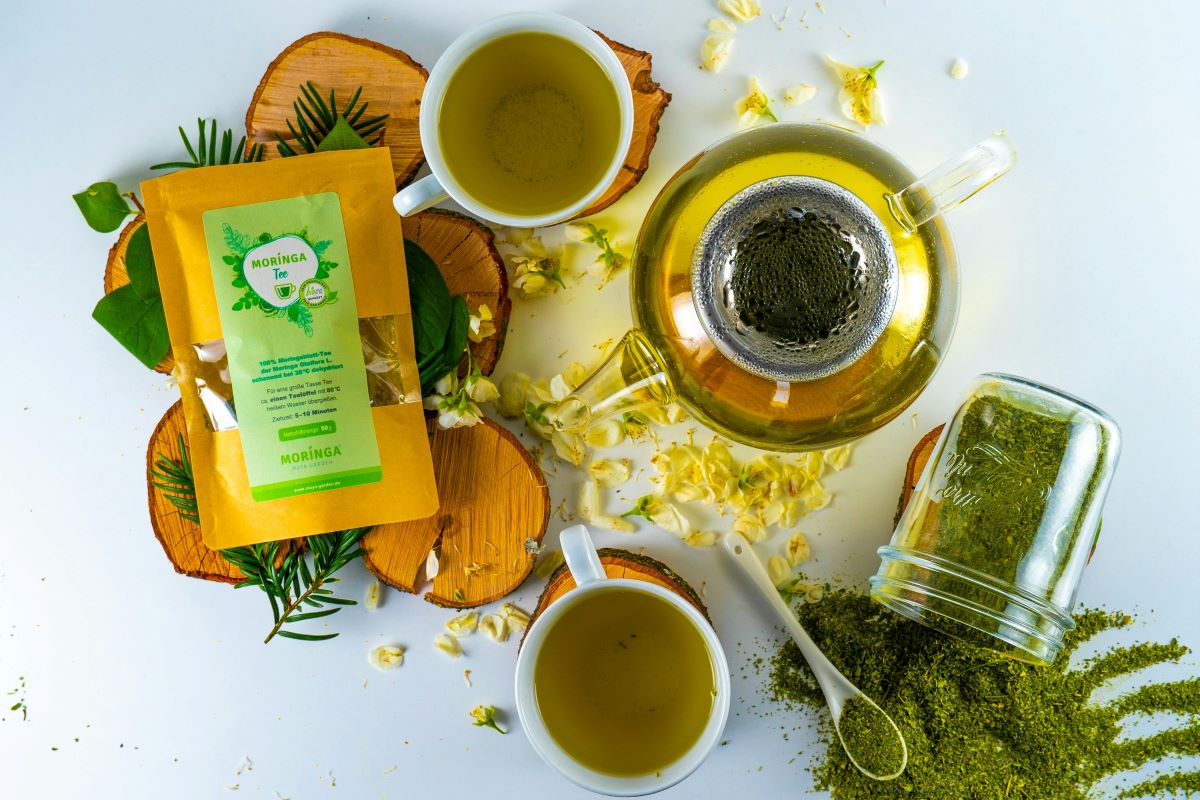
Growing moringa from seed is easier than it may look. You do not need complicated equipment or an elaborate germination method. What matters most is giving the seed warm conditions, fast-draining soil, and enough moisture without keeping it soaked.
Moringa oleifera, sometimes called the drumstick tree or miracle tree, is a fast-growing tropical and subtropical tree. It can be grown for its leaves and pods and adapts especially well to warm climates.
For gardeners in the United States, temperature is usually the biggest challenge. Moringa loves heat but dislikes frost. That means someone growing it in South Florida may treat it very differently from someone growing it in Ohio or Minnesota.
The good news is that moringa can also be grown in a container, making it possible for gardeners in colder regions to move it indoors when necessary.
Read Also: How to Grow Avocado From Seed: A Beginner’s Guide
Moringa Growing Requirements at a Glance
Before planting anything, it helps to understand what moringa actually needs.
| Growing Factor | Recommended Condition |
| Sunlight | Full sun after establishment |
| Soil | Loose, sandy or loamy, and well drained |
| Planting depth | About 1/2–1 inch |
| Germination time | Commonly around 7–14 days |
| Moisture | Moist but never waterlogged |
| Preferred climate | Warm tropical or subtropical conditions |
| Container growing | Yes |
| Frost tolerance | Poor |
| Propagation | Seeds or cuttings |
University of California Cooperative Extension reports that moringa may be direct-seeded or raised in a nursery and that seeds can germinate in roughly 7 to 14 days. It also describes the plant as cold-sensitive.
Think of moringa as a heat-loving plant that dislikes wet feet. If you remember those two characteristics, many of the care decisions become much easier.
You may also like to Read: Eco-Friendly Farming: The Power of Biofertilizers
When Should You Plant Moringa Seeds in the USA?
The best time to plant moringa depends more on temperature than on a particular month.
If you live somewhere with warm springs, hot summers, and little frost, you can usually plant outdoors once cold weather has passed. Gardeners in warmer parts of California, Arizona, Texas, and Florida generally have a longer outdoor growing window.
In colder areas, starting moringa in a container gives you more control. Keep it warm while temperatures are still low, then move it outside when conditions become reliably warm.
UC Cooperative Extension notes that moringa can be grown in containers or treated as an annual where winters are too cold for permanent outdoor growth.
| Your Climate | Simple Strategy |
| Warm and frost-free | Plant directly outdoors |
| Hot summers with winter frost | Grow outdoors seasonally and protect in winter |
| Cold winter climate | Use a movable container |
| Short summer | Start under protected warm conditions before moving outdoors |
Do not rush simply because the calendar says spring. A warm-weather tree placed into cold, wet soil has a harder start than one planted a little later under better conditions.
Read Also: How to Design the Perfect Above Ground Garden Bed
Do You Need to Soak Moringa Seeds Before Planting?
No. Moringa seeds do not have to be soaked before planting.
This is an important distinction because many growing guides present soaking as a required step.
Research summarized by the Food and Agriculture Organization found no advantage from pre-treatment of Moringa oleifera seed in the cultivation trials described. Germination of untreated seed depended more heavily on temperature, humidity, and watering conditions.
You can therefore plant healthy moringa seeds directly into appropriate soil.
Some gardeners still choose to soak seeds before sowing. The idea is simply to let the seed absorb moisture before it enters the soil. If you use this method, there is no need for complicated treatments.
For a beginner, direct planting is often the simplest option.
How to Choose Moringa Seeds for Planting
Start with seeds from a reliable source whenever possible.
Look for seeds that appear intact rather than crushed, moldy, badly damaged, or unusually deteriorated. Seed quality matters because even perfect soil cannot make a dead seed germinate.
Fresh seed is generally a sensible choice. Moringa is naturally capable of growing readily from seed, and major gardening references recommend planting viable seed rather than relying on elaborate pretreatments.
If you have several seeds available, sowing more than one gives you some insurance against an individual seed failing.
What Is the Best Soil for Moringa Seeds?
Drainage matters more than an expensive soil brand.
Moringa performs well in well-drained sandy or loamy soil and is vulnerable to problems when its root zone remains waterlogged. University of California guidance specifically identifies well-drained loam or sandy loam as suitable growing soil.
For containers, a practical beginner mix could be:
- two parts quality potting mix
- one part perlite or another coarse drainage material
You can also use a commercial seed-starting or well-draining potting mix.
The goal is simple: water should move through the container instead of collecting around the seed.
Avoid using dense backyard clay by itself in a pot. It may compact and remain wet far longer than a young moringa needs.
Choosing the Right Container
If you are starting your seed in a pot, drainage holes are essential.
Moringa develops a significant root system, including a strong taproot. A deep container gives the young root somewhere to grow and reduces the chance that you will need to disturb it immediately after germination.
For long-term container growing, larger pots are necessary. The Spruce recommends a container at least around 20 inches wide and deep for container-grown moringa because of its root system and rapid growth.
You do not necessarily need your final giant container on day one. Just avoid leaving a rapidly growing seedling trapped in a tiny starter cell for too long.
How to Plant Moringa Seeds Step by Step
Once you have seeds, suitable soil, and a warm location, planting is straightforward.
Step 1: Prepare the soil
Fill your pot with well-draining growing medium.
Do not pack the soil down firmly. Roots need a mixture that contains air spaces as well as moisture.
If planting outdoors, choose a site that does not hold standing water after rain.
Step 2: Moisten the soil
Water the growing medium before sowing until it feels evenly moist.
It should feel damp but not muddy.
This is easier than planting into dry soil and then flooding the container afterward.
Step 3: Make a small planting hole
Plant the moringa seed roughly 1/2 to 1 inch deep.
UC Cooperative Extension recommends approximately one inch while other established gardening guidance uses about half an inch. Both point toward shallow planting rather than deeply burying the seed.
Step 4: Cover the seed
Gently cover it with soil.
Do not press down hard.
Step 5: Water lightly
Add enough water to settle the soil around the seed.
Stop before waterlogging the pot.
Step 6: Keep the container warm
Moringa is a tropical or subtropical species, so warmth strongly influences germination and early growth.
Do not place a freshly planted pot in a cold basement and expect tropical growth.
Step 7: Monitor instead of watering on a schedule
Check the soil before adding more water.
If it is still comfortably moist, wait. If the surface is beginning to dry, water gently.
This simple habit prevents one of the most common seed-starting mistakes: loving the seed to death with too much water.
How Long Do Moringa Seeds Take to Germinate?
Under favorable conditions, moringa seeds often germinate in approximately 7 to 14 days, according to University of California Cooperative Extension.
That does not mean every seed will appear on the same morning.
One seed might emerge earlier while another takes longer. Germination speed can change because of:
- temperature
- soil moisture
- seed condition
- planting depth
- growing medium
A seed that has not appeared in a few days is therefore not automatically a failure.
The original article suggested that sprouts may sometimes appear in about 48 hours. While unusually fast emergence may occur under certain conditions, a 7–14 day expectation is more useful for beginners and is supported by current University of California guidance.
Simple Germination Timeline
| Stage | What You May Notice |
| Days 1–3 | Little or nothing above the soil |
| Days 4–7 | Early seeds may begin emerging |
| Days 7–14 | Common germination period |
| After emergence | Seedling begins developing leaves |
| Following weeks | Rapid growth under warm, bright conditions |
Treat this as a guide rather than a stopwatch.
How Much Light Do Moringa Seedlings Need?
Mature moringa likes bright sun.
Young seedlings, however, can be more sensitive to sudden intense heat than established trees.
FAO cultivation trials found that young moringa performed better under partial shade than full exposure during particularly hot periods. This is useful for gardeners in extremely hot places such as parts of Arizona or inland California.
Once established, gradually move the plant toward stronger light.
University of California guidance describes moringa as a warm-climate plant while major horticultural guides recommend full sun for mature growth.
If a seedling has been grown indoors, avoid moving it from a protected window directly into brutal afternoon summer sun for an entire day. Increase its exposure gradually.
How Often Should You Water Moringa Seedlings?
Do not water moringa according to a rigid rule such as “every day for one week.”
Water according to the soil.
Young plants need more dependable moisture than mature trees, but the root zone should not remain saturated. Established moringa becomes relatively drought tolerant while excess moisture increases the risk of root problems.
A beginner-friendly method is:
- Touch the top layer of soil.
- Check whether it still feels moist underneath.
- Water when it begins drying.
- Water thoroughly enough to reach the roots.
- Let extra water drain away.
A pot sitting permanently in a saucer full of water defeats the purpose of using fast-draining soil.
When Should You Transplant Moringa Seedlings?
Transplanting requires a little care because moringa develops a taproot.
If outdoor conditions are already suitable, direct sowing can avoid transplantation altogether. The Spruce specifically notes that direct sowing is useful because the long taproot can make transplanting more challenging.
If you start indoors, transplant before the plant becomes severely rootbound.
Choose a warm day after cold weather has passed.
Before planting outdoors permanently, gradually expose the seedling to outdoor light and conditions rather than moving it directly from a protected indoor location into harsh sun.
When transplanting:
- water the plant beforehand
- remove the root ball carefully
- avoid breaking or bending the main root
- place it at approximately the same soil depth
- backfill gently
- water afterward to settle the soil
You do not normally need an enormous several-foot-deep planting hole for a small backyard seedling. What matters more is that the surrounding soil drains and that roots can expand without sitting in stagnant water.
Can You Grow Moringa in a Pot?
Yes. Container growing is one of the most useful options for American gardeners who experience cold winters.
Choose a deep container with good drainage.
As the tree grows, increase the container size before the root system becomes severely crowded. Full-sized moringa grows quickly, so pruning also becomes important.
Container plants need closer observation than trees growing in open ground because pots can dry out faster during summer and remain unexpectedly wet during cool weather.
The biggest advantage is mobility. When temperatures drop, you can move the plant to a protected location instead of gambling with frost.
UC Cooperative Extension specifically recommends container growing as an option in colder climates.
Where Should You Plant Moringa Outdoors?
Choose the warmest practical location with plenty of sunlight and excellent drainage.
Moringa generally performs best in sandy or loamy soil rather than locations that stay wet.
Avoid a low spot in the yard where water collects after storms.
Young trees may also benefit from protection from strong winds until their stems become sturdier.
If you plan to keep several plants, leave enough space for sunlight, airflow, pruning, and harvesting. University of California guidance notes spacing of roughly 3 to 6 feet depending on whether plants are being managed mainly for leaves or pods.
A single backyard specimen allowed to become a larger tree will naturally require more room.
Does Moringa Need Fertilizer?
Moringa does not require a complicated feeding program.
Adding compost when preparing the soil can help establish the plant. The Spruce recommends light feeding during establishment and notes that established trees can benefit from compost rather than constant heavy fertilization.
Avoid assuming that slow growth automatically means the tree needs fertilizer.
Cold weather, poor drainage, inadequate sunlight, or excess watering can all slow growth.
Always correct the growing conditions before reaching for more fertilizer.
How to Prune a Moringa Tree
Pruning is particularly useful because moringa can grow quickly and become tall.
If your goal is easy leaf harvesting, allowing one thin stem to race upward is usually inconvenient.
Once the plant is strong and actively growing, pruning the top encourages side branches. Regular pruning can create a shorter, bushier plant with foliage that is easier to reach.
University of California Cooperative Extension notes that pruning encourages bushier growth and can increase leaf production.
Remove:
- damaged branches
- crossing growth
- weak shoots
- excessive vertical growth when height becomes difficult to manage
Use clean pruning tools.
The right height depends on whether you want a compact leaf-producing plant or a larger tree intended for pod production.
Can Moringa Survive Winter in the United States?
This depends heavily on your local winter temperatures.
Moringa is cold-sensitive. University of California guidance notes that it can be grown in USDA zone 9b and warmer under suitable conditions but also warns that winter frost can kill exposed growth. Gardeners in colder climates commonly grow it in containers or treat it as an annual.
Other horticultural references commonly place dependable year-round outdoor growth in approximately USDA zones 10–11, which shows why local frost exposure is more important than relying on the zone number alone.
If you experience freezing weather, you have several options.
You can:
- grow moringa in a movable pot
- bring it into a warm protected location
- grow it as an annual
- heavily protect an established outdoor plant in a borderline climate
Do not assume that a large tree is automatically frost-proof.
Why Are My Moringa Seeds Not Germinating?
If nothing happens, work through the growing conditions logically.
1. The soil is too cold
Moringa wants warmth.
Cold, damp soil slows germination and creates conditions where seeds may deteriorate.
Fix: Move the pot somewhere consistently warmer.
2. The soil stays soaked
This is one of the biggest problems.
Roots and germinating seeds still require oxygen.
Fix: Improve drainage and water less frequently.
3. The seed was planted too deeply
A deeply buried seed must use more stored energy to reach the surface.
Fix: Keep future sowings roughly 1/2–1 inch deep.
4. The seed is old or damaged
Not every seed is viable.
Fix: Try another seed from a reliable source.
5. You are checking too soon
A few days can feel like a long time when you are waiting for a new plant.
Fix: Give healthy seeds adequate time. A germination window around 7–14 days is normal under favorable conditions.
Common Moringa Problems and Quick Fixes
| Problem | Possible Cause | First Thing to Check |
| Seed rots | Soil too wet | Drainage |
| No germination | Cold or poor seed | Temperature and seed quality |
| Tall, weak seedling | Insufficient light | Increase light gradually |
| Yellow leaves | Water, light, or nutrients | Check soil moisture first |
| Brown/dying growth | Drainage or cold | Roots and temperature |
| Growth suddenly slows | Cool conditions | Provide warmth |
| Container dries quickly | Small pot or summer heat | Pot size and watering |
Root rot is especially associated with poorly drained soil, which is why drainage should be checked before adding fertilizer or increasing watering.
Seven Beginner Mistakes to Avoid
Overwatering
A tropical tree still needs oxygen around its roots. Constantly wet soil is not the same thing as good care.
Using a pot without drainage holes
Water must have somewhere to escape.
Planting seeds too deeply
Moringa seed does not need to be buried several inches down.
Growing in cold conditions
Warmth is central to successful germination and vigorous growth.
Keeping seedlings in tiny containers too long
A rapidly developing root system eventually needs more space.
Moving indoor seedlings directly into harsh sunlight
Gradual exposure reduces stress.
Expecting the same growth rate in every climate
A moringa in South Florida and one growing in a container in Michigan live under completely different conditions.
Adjust your expectations to your climate.
How Fast Does Moringa Grow?
Moringa is known as a fast-growing tree, but growth rate depends strongly on heat, sunlight, moisture, soil, and length of the growing season.
The first milestone is germination, often within about 7–14 days under favorable conditions.
After that, warm conditions can produce rapid vegetative growth.
Do not judge a young tree only by its height. A shorter plant with healthy leaves, good branching, and a developing root system may ultimately be easier to manage than a thin plant stretching upward because it lacks enough light.
Flowering and pod production require more time than simple leaf growth and vary considerably with climate and management.
Growing Moringa From Seeds vs. Cuttings
Moringa can be propagated both ways.
| Feature | Seeds | Cuttings |
| Easy for beginners | Yes | Usually |
| Requires mature parent tree | No | Yes |
| Produces exact clone | No | Yes |
| Develops seed-grown root system | Yes | No |
| Convenient for online purchase | Yes | Less often |
| Good choice for first-time growers | Yes | Also possible |
FAO cultivation research notes an important difference: seed-grown trees develop longer root systems than trees grown from cuttings.
For most beginners who simply have a packet of moringa seed, there is little reason to complicate the process. Start with the seeds you already have.
A Simple Moringa Growing Routine for Beginners
If all the information above feels like a lot, reduce it to this routine.
Plant shallowly. Keep it warm. Keep the soil lightly moist rather than saturated. Give the seedling increasing amounts of sunlight. Protect the plant from cold.
That covers most of what a beginner needs.
Moringa is not difficult because it needs constant attention. Problems usually occur when gardeners give it conditions that conflict with its natural preferences—especially cold temperatures or persistently wet roots.
Once the tree is established in a warm, sunny, well-drained location, care generally becomes easier.
FAQS About Moringa
Do moringa seeds need to be soaked before planting?
No. Soaking is optional rather than required. FAO cultivation trials found that pretreating Moringa oleifera seeds provided no germination advantage in the conditions studied. You can plant good-quality seeds directly in warm, well-draining soil.
How deep should I plant moringa seeds?
Plant them approximately 1/2 to 1 inch deep.
University of California guidance recommends around one inch while another established gardening guide recommends around half an inch. Both approaches keep the seed relatively close to the surface.
How long does moringa take to germinate?
University of California Cooperative Extension gives a typical germination period of about 7 to 14 days.
Temperature, moisture, seed quality, and planting depth can change the timing.
Can moringa be grown indoors?
Yes, particularly while young or during winter.
The challenge is providing enough warmth and strong light. Because moringa grows rapidly, long-term indoor plants also require pruning and sufficient root space.
Can I grow moringa in a pot?
Yes. Use a deep container with drainage holes and a fast-draining potting medium. Long-term container plants eventually need substantial root space.
Container growing is especially useful in climates where the plant must be protected during winter.
How much sun does a moringa tree need?
Established moringa performs best with strong sunlight and is commonly grown in full sun.
Very young seedlings in extreme heat may benefit from some temporary protection while they establish.
Why are my moringa seeds rotting?
The most likely issue is excessive moisture combined with poor drainage.
Use a loose growing medium, make sure the container has drainage holes, and allow the surface to begin drying before watering again.
Can I plant moringa directly in the ground?
Yes. Direct sowing can actually be useful because it avoids disturbing the tree’s developing taproot.
Wait until outdoor conditions are warm enough and frost is no longer an immediate threat.
Does moringa grow back after winter?
It can in some warm or borderline climates if the root system or protected stump survives.
University of California Cooperative Extension reports that protected moringa in California may regrow from the stump when temperatures rise again.
That should not be interpreted as guaranteed winter survival in colder areas.
What is the biggest mistake when growing moringa from seed?
Moringa wants moisture while establishing but does not thrive with constantly waterlogged roots. Good drainage is therefore one of the most important parts of successful growing.
Final Thoughts
Learning how to grow moringa from seed does not require a complicated germination system.
Start with viable seeds, loose soil, warmth, and a container or garden location that drains properly. Plant the seed shallowly, keep the soil gently moist, and allow a reasonable amount of time for germination.
Once the seedling appears, increase its light gradually and give its roots room to develop. If you live in a colder part of the United States, a container gives you the flexibility to protect the tree when temperatures fall.
Most importantly, avoid treating moringa like a plant that needs constant watering. Warmth and drainage usually matter far more than an aggressive care schedule.
With those basics in place, even a first-time gardener can give a moringa seed a strong start.
References
[1] – https://www.youtube.com/watch?v=-qK3fYqzKcs
[2] – https://greg.app/moringa-soil/
[3] – https://m.andrafarm.com/_andra.php?_i=0-tanaman-kelompok&_en=ENGLISH&topik=merendam&kelompok=Kelor
[4] – https://conversations.echocommunity.org/t/moringa-stenopetala-germination/1036
[5] – https://www.ahealthyleaf.com/growing-moringa/
[6] – https://www.youtube.com/watch?v=WyUC5rsi7yk
[7] – https://www.sciencedirect.com/science/article/pii/S0254629915003269
[8] – https://www.nature.com/articles/s41598-022-26967-5
[9] – https://www.ncbi.nlm.nih.gov/pmc/articles/PMC7824577/